What social inequality really means
Every year, a seminar takes Zeppelin University students to the German capital Berlin. There they meet actors from politics, lobbying and civil society to discuss a previously defined political field with them. This time, the topic was "Poverty and wealth".
The annual Berlin seminar took place last fall on the topic of "Poverty and Wealth". In this seminar, we focus on a specific political issue and meet with actors from the government, political parties, civil society and interest groups. This time, the focus was on issues such as how wealth and prosperity are fairly distributed or inherited, taxes in general, citizens' income and basic security and, above all, child poverty. The meetings with practitioners were embedded in seminar sessions in which we dealt with problems such as distributive justice, inheritance and wealth taxes, the consequences of social inequality, measures to create equal opportunities, the theoretical measurement of poverty and measures to combat it from a theoretical perspective.
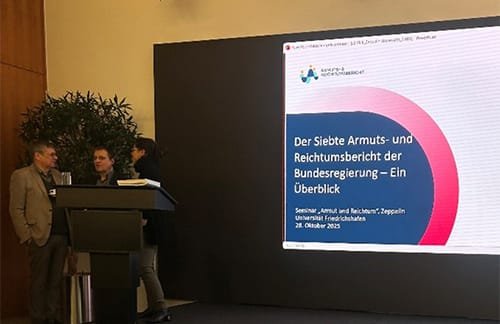
Visits to the Ministry and the Ark
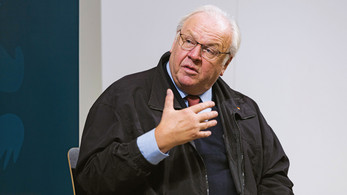
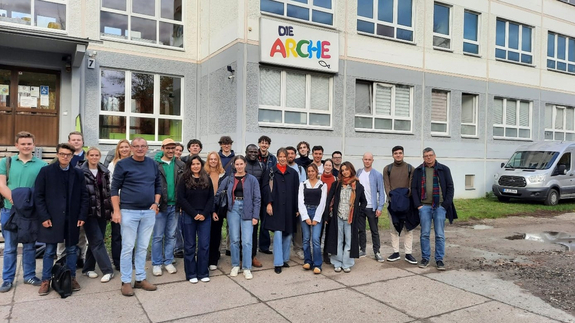
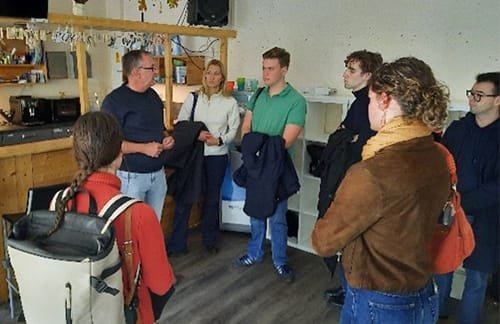
While we visited the Ministry of Labor and Social Affairs on one day and were informed about the content and key messages of the German government's Seventh Report on Poverty and Wealth by Jörg Deml, the other day we visited the Arche in Berlin-Hellersdorf. The Arche is a non-profit foundation that is primarily dedicated to working with children and young people, many of whom are affected by poverty. Among other things, it offers the children free meals and extensive support in terms of education - but above all a place where they can spend their free time with friends. The Arche also advises people in life crises and sees itself as a civil society actor that aims to draw attention to social problems through its public relations work. We had a long conversation with the founder of the Arche, Bernd Siggelkow, followed by a tour of the facility.
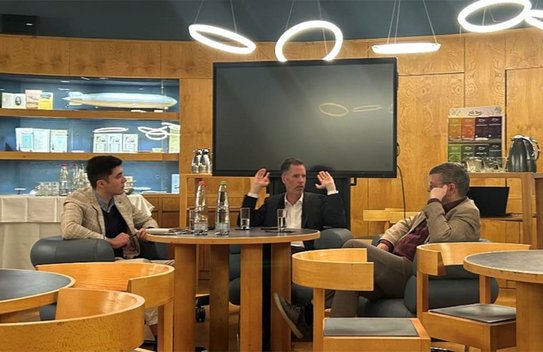
Different political views on social inequality
We were appropriately accommodated for the seminar in the Zeppelin Lounge of the Berlin State Representation of Baden-Württemberg. There, we received the FDP federal chairman Christian Dürr for a discussion with whom we talked about equity pensions as a means of combating poverty in old age, the possibility of broadly diversified wealth accumulation and the connection between taxes and incentives for productive entrepreneurship.
We spoke to Ansgar Seng, research assistant to Andreas Audretsch, deputy leader of the Green Party, about wealth and inheritance taxes.
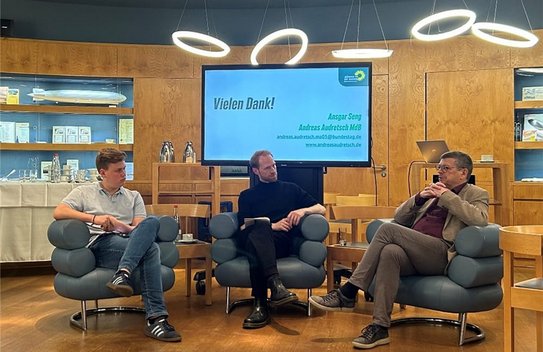
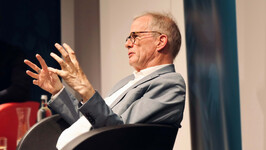
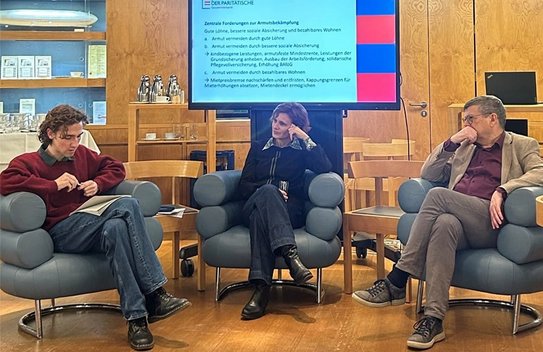
Another highlight was the visit and discussion with Katja Kipping, former Chairwoman of the Left Party and Senator for Social Affairs in Berlin and current Managing Director of the Paritätischer Gesamtverband, the most important interest group for all welfare and social work organizations. Due to her wide-ranging professional experience, the meeting and discussion with Katja Kipping was particularly exciting, as she was able to report to us from the perspective of both a politician and a lobbyist for social issues. Her descriptions of how an opposition politician can provide impetus for political issues such as basic child protection were just as informative as those about working with a large number of individual organizations to develop a joint position paper.
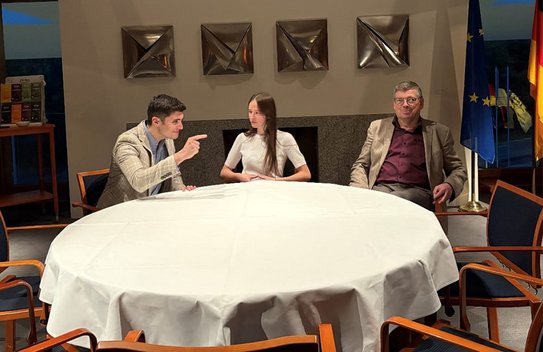
Finally, a scenic re-enactment in the historic fireplace room
During a guided tour of the Berlin State Representation of Baden-Württemberg at the end of our seminar, we also visited the historic fireplace room, where the negotiations for the Jamaica coalition took place in 2017, which the then FDP chairman Christian Lindner declared to be over with the words "Better not to govern than to govern badly" in front of the building. The following picture shows a staged re-enactment by two students and the seminar leader. (Note Christian Lindner's instructively raised index finger, Angela Merkel's stoic composure, who has long since considered all the alternatives in her head, and Cem Özdemir's frustrated and exasperated look, who has just seen his future as Foreign Minister and Vice-Chancellor slip away).
More articles
 08/03/2026LifeGlobal Talk with Andreas Kruse
How Young and Old Come Together
In a Global Talk, gerontologist Andreas Kruse explains how the generational conflict can be resolved and how society can be strengthened through interaction and collaboration.- 02/13/2025LifeGlobal Talk
Former ambassador Martin Erdmann on Europe's security in transition
In the Global Talk, Martin Erdmann shed light on the challenges facing NATO, transatlantic relations and Turkey's geopolitical role. - 10/08/2026LifeVillage Hub
Starting a business is a matter of practice
This year's Village Hub focuses on the question: If AI makes companies smaller, flatter, and faster—what skills do founders actually still need? - 09/28/2026LifePhoto Gallery
ZU Summer Festival, themed “Beyond borders.” featuring a diverse program and many guests
Zeppelin University opened its doors and invited anyone interested to meet, exchange ideas, and celebrate together.